Senior Living Communities Options for Aging Loved Ones
Uncover the Finest Assisted Living Facilities in Charlotte for Seniors
Charlotte features a variety of assisted living residences designed to meet the varied needs of seniors. These communities provide not only essential care but also a dynamic atmosphere that fosters independence and social interaction. Each residence has distinctive features and services customized to elevate the quality of life for residents. Understanding the options available can help families make well-informed decisions about their loved ones' care. What considerations should be considered when choosing the right community?
Elements to Keep in Mind When Deciding On an Assisted Living Facility
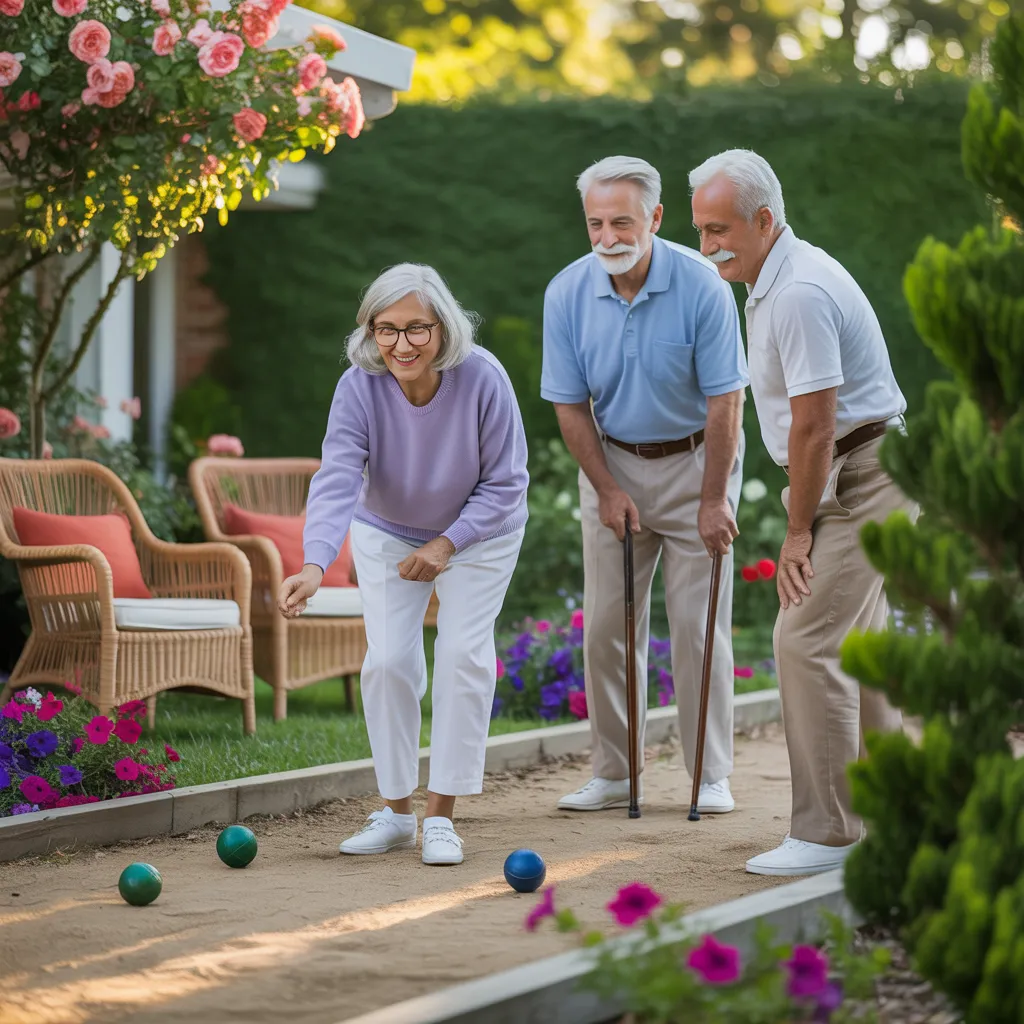
Upon selecting an assisted living facility, various essential factors come into play. First, the location is significant, as proximity to family, friends, and healthcare services can substantially influence a resident's quality of life. Second, the level of care provided must align with the individual's specific needs, including assistance with daily activities and medical support. Third, the facility's amenities and social activities can substantially shape resident satisfaction, encouraging a sense of community and engagement. Additionally, one should consider the staff-to-resident ratio, as adequate staffing provides personalized attention and care. Finally, financial considerations, including pricing structures and potential hidden costs, are critical for long-term planning. Examining these factors will assist in making an informed decision for a loved one's future.
Leading Senior Living Communities in Charlotte
Charlotte offers a selection of highly regarded assisted living communities, each offering unique characteristics customized to meet the diverse needs of seniors. Among the premier choices, communities such as Brookdale South Park, Atria Merrywood, and The Haven in the Village at Carolina Place stand out for their commitment to quality care. These facilities deliver a range of services, including customized support, recreational activities, and dining options created for senior health. Moreover, they focus on resident safety and comfort, with highly trained staff accessible around the clock. The vibrant atmosphere in these communities encourages social interaction, helping seniors retain a sense of independence while receiving needed assistance. Overall, Charlotte's assisted living options cater effectively to the diverse preferences of its senior population.
Key Distinctions of Each Facility
Every assisted living residence in Charlotte brings its own distinctive offerings, enhancing the overall living experience for seniors. For instance, some residences feature beautiful gardens and outdoor spaces that foster relaxation and social engagement. Others may offer state-of-the-art fitness centers and wellness programs developed to support physical activity and health. Specific communities highlight arts and culture, offering workshops and classes to stimulate creativity. Additionally, some residences integrate technology, such as smart home features and telehealth services, to enhance the residents' quality of life. Unique dining experiences, from gourmet meals to farm-to-table options, additionally set these communities apart. All things considered, these distinctive attributes contribute to a dynamic and fulfilling lifestyle for seniors in Charlotte's assisted living communities.
Tailored Healthcare Plans and Services
Individualized care plans in assisted living residences are created to meet the unique needs of each resident. These plans frequently include customized care strategies, health oversight services, and assistance with daily living activities. By adjusting services to specific health demands and personal preferences, centers aim to boost the overall health of seniors.
Personalized Care Strategies
As seniors shift to assisted living facilities, the value of tailored care strategies becomes progressively clear. These strategies center around the unique needs and preferences of each resident, providing a holistic approach to care. Facilities often conduct thorough assessments to develop personalized care plans that address physical, emotional, and social aspects of wellness. This may include individualized meal options, personalized activity schedules, and specific health management protocols. Staff members work closely with residents and their families to modify care plans as needs progress, cultivating a sense of autonomy and dignity. By concentrating on tailored care, assisted living facilities in Charlotte enhance quality of life, empowering seniors to thrive in a caring and welcoming environment.
Health Monitoring Services
Health monitoring services play an integral role in the overall health of seniors staying in assisted living residences. These services make certain that residents receive individualized care plans designed for their specific health needs. Regular health assessments and monitoring permit staff to track critical signs, manage chronic illnesses, and detect potential health issues early.
In addition, these services frequently include medication management, making certain seniors take prescribed medications properly and on schedule. The integration of technology, such as wearable devices, can even more enhance health monitoring by providing real-time data to caregivers. By fostering a proactive approach to health, assisted living facilities in Charlotte empower seniors to preserve their independence while receiving the required support for maximum health outcomes.
Support for Everyday Living
Within assisted living communities, daily living assistance is tailored to meet the unique needs of each resident, making certain they receive support in a way that promotes independence. Personalized care plans are developed through meetings with residents and their families, addressing specific requirements such as bathing, dressing, and medication management. Staff members are trained to provide thoughtful support while encouraging residents to engage in daily activities as much as possible. This approach not only improves the quality of life but also promotes dignity and self-sufficiency. Moreover, assistance with meal preparation, housekeeping, and transportation services is often included, creating a holistic environment where seniors can thrive and enjoy a satisfying lifestyle in a supportive community.
Social Programs and Leisure Activities
Social programs and leisure activities fulfill a critical purpose in the well-being of seniors in assisted living communities. These programs typically include interesting group activities and fitness initiatives designed to encourage physical health and social interaction. By participating in such activities, residents can elevate their quality of life and develop meaningful connections with peers.
Dynamic Group Sessions
Although many seniors in assisted living facilities look for a sense of community, engaging group activities fulfill a crucial purpose in enriching their quality of life. These activities foster social connections, allowing residents to build friendships and support networks. Regular events featuring arts and crafts, game nights, and movie screenings stimulate participation and creativity, supporting mental stimulation. Additionally, themed parties and holiday celebrations create opportunities for residents to share traditions and experience lively interactions. Group outings to local attractions can furthermore enhance experiences and expose seniors to new environments. By engaging in these activities, residents often report greater happiness and a greater sense of belonging, making engaging group activities a critical component of life in assisted living facilities.
Fitness and Wellness Programs
Assisted living facilities rely on fitness and wellness programs as essential offerings, fostering both overall well-being and physical health among seniors. These programs typically include a variety of activities customized for different fitness levels, such as yoga, tai chi, and strength training. Consistent involvement helps improve cardiovascular health, balance, and mobility, decreasing the risk of falls and other health problems.
In addition to physical activities, wellness programs typically incorporate nutrition workshops and mindfulness sessions, fostering a holistic approach to health. Social interaction is a key component, as group classes encourage friendships and community among residents. In general, these fitness and wellness initiatives not only enhance physical capabilities but also improve mental and emotional health, contributing to a vibrant lifestyle for seniors in assisted living facilities.
Reviews From Residents and Their Families
What do residents and their families really feel about assisted living facilities in Charlotte? Several share encouraging experiences, stressing the supportive atmosphere and personalized care. Residents often express appreciation for the social occasions and engaging activities available, which foster a sense of community. Families appreciate the peace of mind that comes from knowing their loved ones are in a protected, nurturing environment.
Testimonials commonly underscore the attentive staff, who are described as compassionate and responsive to individual needs. Families point out the open communication with caregivers, which allows them to remain updated about their loved ones' well-being. On the whole, the sentiments conveyed by residents and families reveal a high level of satisfaction with the quality of care and dynamic lifestyle provided in Charlotte's assisted living centers.
How to Start the Transition Process for Your Senior Family Member
Starting the change process for a loved one into an assisted living facility can feel intimidating; however, a careful approach can smooth the journey. First, it is vital to have frank and transparent conversations about the need for assistance. Engaging the loved one in discussions can build understanding and minimize resistance. Next, exploring various facilities in Charlotte helps identify possibilities that Assisted Living Facilities Charlotte NC align with the individual's preferences and needs. Visiting prospective locations allows for direct experience and helps gauge the environment. Involving family members in the selection process can provide additional support. Finally, creating a personalized transition plan that includes packing familiar items and establishing a visitation schedule can facilitate a smoother adjustment, ensuring the loved one feels valued and comfortable in their new home.
FAQ
What Is the Average Cost of Assisted Living in Charlotte?
The average cost of assisted living in Charlotte generally range from $3,000 to $5,000 per month. Variables that impact this cost include the location, available amenities, and required care level for the specific individual.
Are Pets Allowed in Assisted Living Communities?
Many assisted living centers allow pets, acknowledging their therapeutic value. Guidelines fluctuate by location, with some allowing cats and dogs, while others may impose size or breed requirements. Prospective residents should ask about specific facility policies.
What Is the Process for Handling Medical Emergencies at Facilities?
Healthcare facilities generally manage medical emergencies through trained personnel who oversee resident health, copyright emergency procedures, and work with local emergency services. They could additionally maintain on-site medical staff to offer immediate care when necessary.
What Is the Staff-To-Resident Ratio in These Communities?
The staff-to-resident ratio in these communities commonly ranges, often spanning from 1:5 to 1:15, based on the facility's capacity and care level delivered, ensuring residents are given sufficient support and attention tailored to their needs.
Are Residents Allowed to Personalize Their Living Spaces?
Residents are frequently able to personalize their living areas, giving them the opportunity to bring personal belongings, photos, and decor. This customization helps create a familiar environment, boosting comfort and emotional well-being within their assisted living communities.